Key Takeaways A UK POS system cost has three parts: hardware, a monthly software fee, and a card processing percentage. All three together make up your real monthly cost. Software typically costs £0 to £200+ a month. Card processing typically…

 Skip to content
Key Takeaways A UK POS system cost has three parts: hardware, a monthly software fee, and a card processing percentage. All three together make up your real monthly cost. Software typically costs £0 to £200+ a month. Card processing typically…
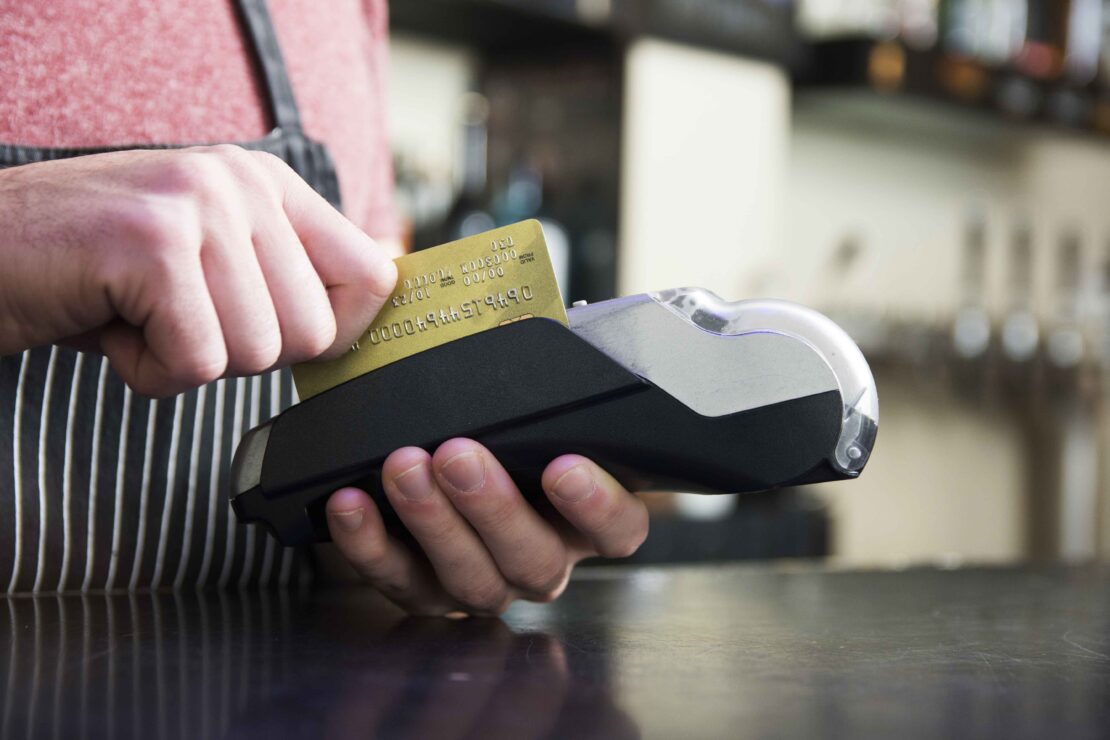
Key Takeaways PCI DSS is the global security standard for card payments. If your POS accepts cards, PCI DSS applies to you, whatever your size. The current standard is PCI DSS v4.0.1. Its full set of requirements became mandatory on…
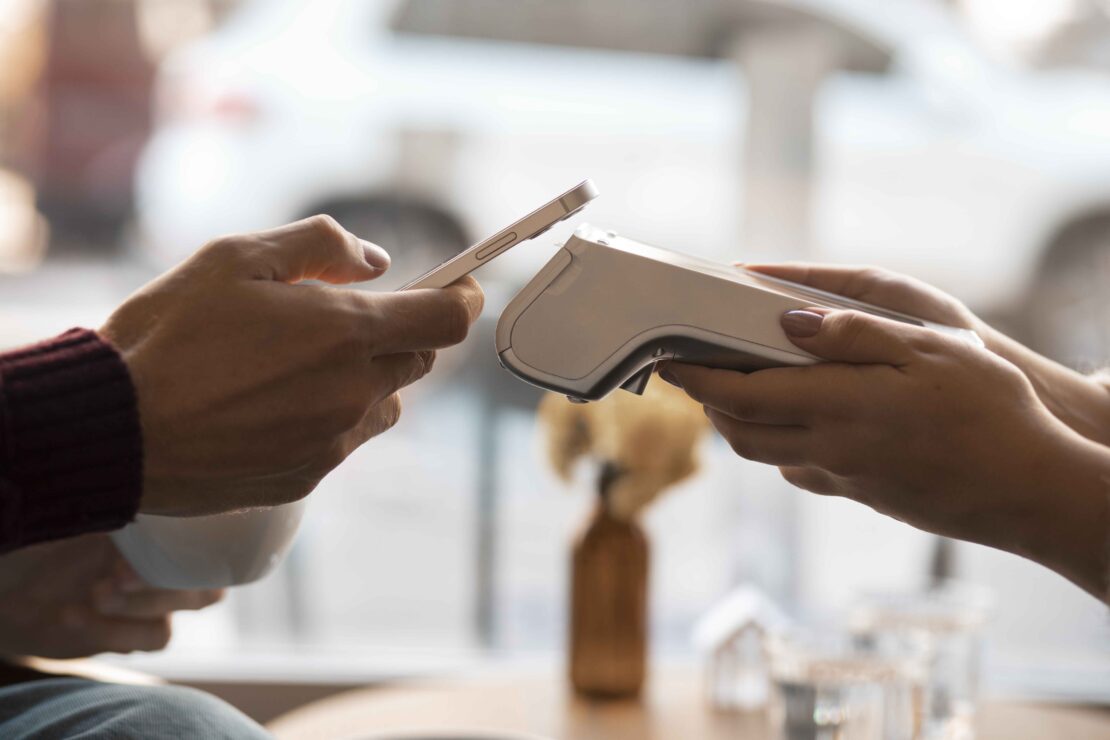
Key Takeaways Contactless is now the default way UK customers pay. Barclays research found almost 95% of eligible in-store card transactions were contactless in 2024. The FCA removed the fixed £100 national contactless limit in March 2026. Banks can now…
Key Takeaways TapTouch POS (built by Ivida Smart Technologies) offers a genuinely simple interface and useful hospitality features like dual-screen ordering and multi-menu switching, at a low starting price. The most common frustrations in independent reviews are inconsistency between updates,…
Key Takeaways Odoo POS is genuinely powerful if you need a full ERP behind your till, but most people searching for alternatives are looking to escape setup complexity, inconsistent support response times, or a point-of-sale module that feels basic compared…
TL;DR — Skip to what you need: Shopify POS is built for ecommerce retailers who also have a physical location. It is not built for restaurants, pubs, cafes, cloud kitchens, or any business where in-person service is the primary operation.…
TL;DR — Skip to the answer: Square is a great starting point. It is not a great finishing point. As soon as your business needs table management, kitchen integration, delivery connections, multi-location reporting, or loyalty, Square’s limits start to cost…
TL;DR — Skip to what matters: Lightspeed is a capable platform but it prices out many UK independent restaurants and groups, and its support model and pricing structure are not built with UK operators in mind. This guide compares 5…

TL;DR — The quick answer: Restaurant POS and retail POS are built for fundamentally different workflows. Using the wrong one creates daily friction you will eventually work around or pay someone to fix. Restaurant POS prioritises: table management, kitchen communication,…

TL;DR — The quick version: The average UK restaurant wastes 18 to 21 meals’ worth of food every single day. Most of it is invisible without the right data. POS reporting catches waste at three levels: over-ordering (buying too much),…
 Optimized by Seraphinite Accelerator